
The Allure of Risk and Reward
The fundamental appeal of casino gambling lies in the psychological interplay between risk and reward. Players are often drawn to the thrill of potentially winning big, which can evoke intense emotions ranging from excitement to anxiety. This rush can trigger the release of dopamine in the brain, a neurotransmitter linked to pleasure and motivation. As a result, the anticipation of a win creates a captivating experience that can overshadow the risk of losing money, especially when considering options like a fast paypal withdrawal casino that provides quick payouts. The excitement surrounding the prospect of a jackpot is often intoxicating, leading individuals to chase that feeling repeatedly.

Additionally, the design of casinos amplifies this allure. Bright lights, enticing sounds, and vibrant atmospheres work together to stimulate the senses, making it challenging for individuals to walk away. This sensory overload creates a euphoric feeling, causing players to lose track of time and money. The immersive environment cultivates a sense of escapism, allowing individuals to forget their everyday problems for a while as they chase the elusive jackpot. In such a setting, the excitement becomes a driving force, often leading to impulsive decisions that can have lasting repercussions.
Moreover, the concept of a „near miss” can significantly affect gambling behavior. Players may experience a feeling of being close to winning, such as landing two out of three symbols on a slot machine. These near misses can be psychologically rewarding and encourage continued play, as individuals often rationalize their experiences and convince themselves that a win is just around the corner. This belief can lead to an illusion of control, where gamblers think their actions can influence outcomes, further entrenching them in gambling behavior. The cycle of hope and disappointment keeps players returning, often at a cost.
The Role of Cognitive Biases
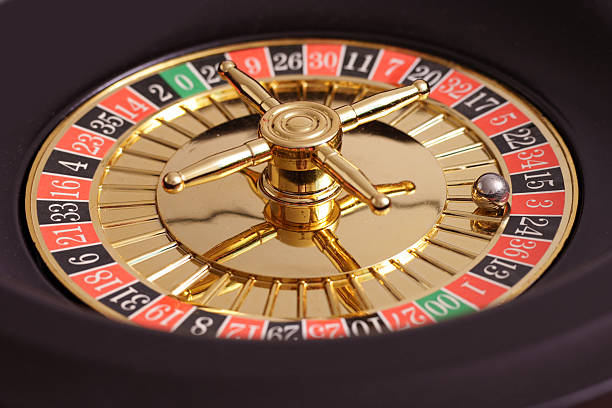
Cognitive biases play a crucial role in shaping the decision-making processes of gamblers. One common bias is the „gambler’s fallacy,” the belief that past events can influence future outcomes in a random game. For instance, if a player observes a particular number not appearing during several roulette spins, they may believe it is „due” to show up soon. This misconception can lead players to make irrational bets, fueling both hope and eventual disappointment when luck does not align with their expectations. Such biases can distort reality, causing gamblers to continue investing their time and money in hopes of an eventual payout.
Another impactful bias is the „availability heuristic,” where individuals base their judgments on easily accessible information. Success stories of big winners are often highlighted in the media, creating an overly optimistic perception of the odds. Gamblers may focus on these rare instances of success while ignoring the more common tales of loss, further reinforcing their belief that winning is both possible and likely. This skewed perception can lead to continued engagement, as players become more invested in chasing these perceived opportunities. The result is a cycle of unrealistic expectations and poor decision-making that can lead to significant financial losses.
Furthermore, the „illusion of control” is another significant cognitive bias affecting gamblers. Many players believe they can influence outcomes through skill or strategy, especially in games perceived as having an element of skill, like poker. This belief can drive individuals to gamble more frequently, as they perceive their decisions as contributing to their success. Even in purely chance-based games, this illusion can give players a false sense of empowerment, compelling them to bet more despite the odds being stacked against them. Recognizing these biases is essential for understanding why individuals may struggle to walk away from gambling, even when faced with mounting losses.
Social Influence and the Gambling Environment
The social context of gambling can dramatically influence behavior. Many individuals gamble not only for the sake of the game itself but also to socialize with friends or meet new people. Group dynamics can enhance the excitement and immersion of the gambling experience, often leading to increased spending and prolonged play. The collective atmosphere provides a sense of belonging, with individuals feeling more confident and eager to participate in games when surrounded by others. This social component can enhance the overall experience, making it more appealing and enjoyable.
In casinos, the staff and various promotions can further amplify social influences. Attentive dealers and friendly service personnel create an inviting environment, encouraging players to stay longer. The availability of complimentary drinks and rewards programs can have a psychological effect, leading individuals to perceive their losses as less significant when they feel pampered and valued. This enhances the likelihood of prolonged gambling sessions, contributing to a cycle of spending that can be difficult to break. The combination of positive reinforcement and a vibrant social scene creates an environment where gambling feels less risky.
Moreover, the concept of „social proof” plays a critical role in gambling behavior. Observing others winning can ignite enthusiasm and encourage individuals to partake in gambling activities. The desire not to be excluded from social experiences can drive some to gamble excessively, even if it conflicts with their personal beliefs about responsible gaming. The behavior of others sets a standard that many feel pressured to follow, leading to a culture where gambling is normalized and expected. This social influence can create a snowball effect, where the excitement of the group leads to greater participation and spending.
The Impact of Emotional States
The emotional states of individuals can greatly influence gambling behavior. Many people turn to gambling as a form of escapism—an alluring way to temporarily forget their problems, whether they stem from financial stress, personal relationships, or other life challenges. The thrill of the game can provide a much-needed distraction, allowing them to immerse themselves in a different reality, even if just for a moment. This emotional relief can become addictive, as gamblers increasingly seek out these experiences to cope with negative feelings. The cycle of using gambling as a coping mechanism can lead to deeper emotional issues over time.
Conversely, feelings of stress or depression can lead to more reckless gambling behavior. Individuals might chase losses as a means of recovery, convincing themselves that a big win will solve their financial woes. This cycle perpetuates a harmful pattern where increased losses only heighten feelings of despair, compelling individuals to gamble even more. It highlights the complex relationship between emotions and decision-making in gambling situations, where the urge to escape can have detrimental financial and personal consequences. Understanding this aspect is crucial for recognizing the signs of problematic gambling behavior.
In addition, the celebration of wins can create an emotional high that players may crave over time. The excitement of hitting a jackpot can induce feelings of power and euphoria, reinforcing the desire to gamble. This connection between emotional highs and gambling can lead to an unhealthy cycle, where individuals become increasingly reliant on the rush of winning to feel fulfilled. Understanding this emotional aspect is vital to recognizing how it contributes to gambling behaviors and potential addiction. Ultimately, the interplay between emotions and gambling requires careful consideration for both players and industry stakeholders.
Understanding Responsible Gambling
Recognizing the psychological factors that contribute to gambling behavior is essential for promoting responsible gambling practices. Education on the risks of cognitive biases and the impact of emotions can empower individuals to make informed decisions about their gambling activities. Providing resources and support for those struggling with problematic gambling is crucial for fostering a safer gambling environment. Awareness campaigns can help demystify the allure of gambling, informing people about the odds and encouraging moderation. Such initiatives can play a significant role in reducing the stigma surrounding gambling issues.
Additionally, implementing self-regulation measures can be an effective way to curb excessive gambling. Tools such as setting monetary limits, taking breaks, and practicing mindful gambling can help individuals maintain control over their gaming habits. By encouraging players to be conscious of their emotional states and the social influences around them, the likelihood of developing gambling-related problems can be significantly reduced. This proactive approach can lead to healthier gambling experiences, allowing individuals to enjoy the games responsibly.
Moreover, many organizations and websites are dedicated to promoting healthier gambling practices and providing assistance to those in need. These resources often include self-assessment tools, educational materials, and access to therapy or counseling services. Creating a community that prioritizes responsible gambling behavior can help shift the narrative around gaming, emphasizing enjoyment without the risks associated with excessive gambling. The importance of understanding gambling psychology cannot be understated, and ongoing research will continue to shape these efforts, fostering a more responsible gambling culture that protects individuals from the adverse effects of gambling. By promoting awareness and education, the gambling industry can help ensure a safer gaming environment for all.